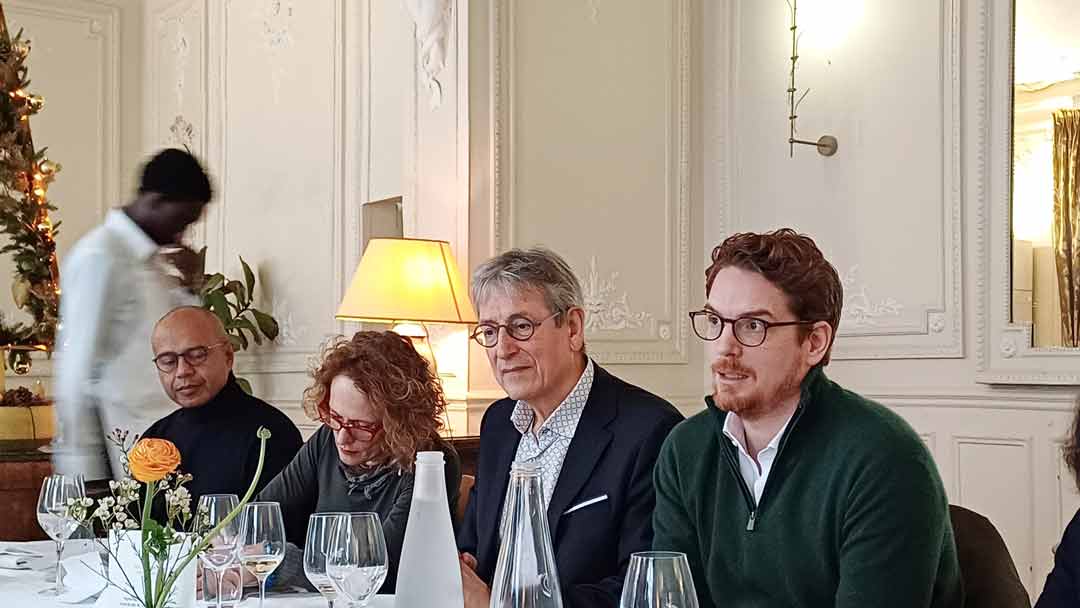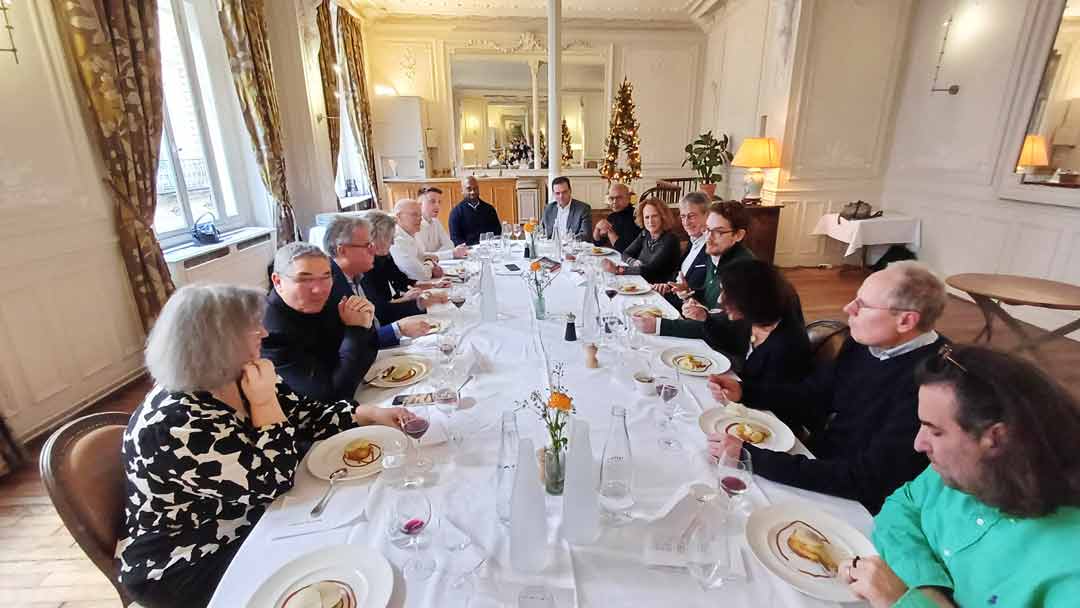
Le recrutement et l’IA, une discussion avec Fabrice Teboul au Lunch at the Circle

Fabrice Teboul, spécialiste en ressources humaines et recrutement, discute de l’impact de l’IA (intelligence artificielle) sur le recrutement. Il souligne que les sociétés de recrutement doivent équilibrer l’automatisation technique et la dimension humaine, surtout pour les postes managériaux. Les candidats peuvent ressentir une déshumanisation avec des processus automatisés, mais des solutions comme l’utilisation de la vidéo pour des interactions finales peuvent maintenir un élément humain. Fabrice Teboul mentionne également que son livre sur l’IA a facilité ses contacts professionnels en fournissant des informations et des perspectives inédites sur le marché du recrutement.

[Résumé fait par IA.]

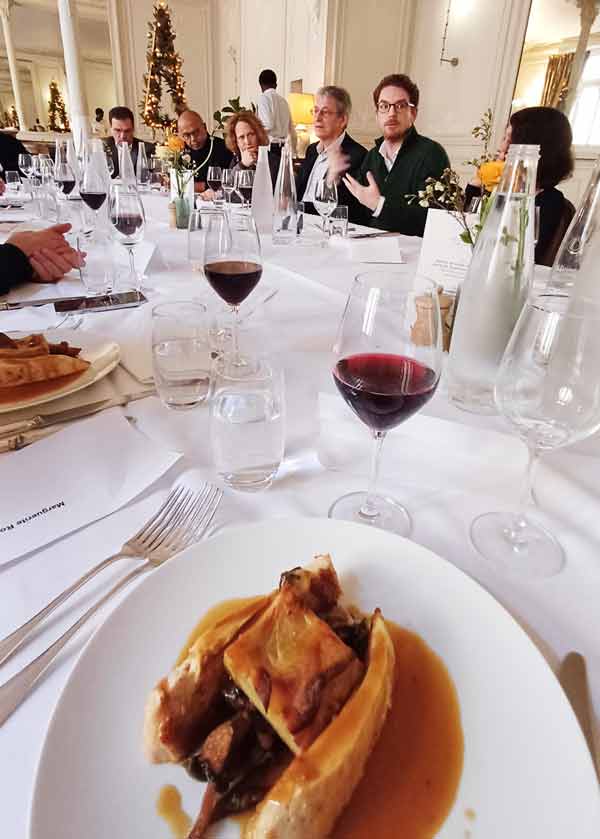
En octobre, Lunch at the Circle a organisé un événement « apéro » sur le thème de l’intelligence artificielle -— L’Avenir du travail, GenAI et Agents d’IA, de la promesse à la pratique — avec trois intervenants :

Fabrice Teboul – Auteur, « AI in Recruitment Services » & co-fondateur de 1FIT

Sandra Teboul – Fondatrice, Talisman Partners

Clément Bruneau – Équipe fondatrice de Dust (ex-Aircall, Y Combinator)

Cet article est tiré de l’interview réalisée avant l’événement avec Fabrice Teboul.

Le recrutement et l’IA, l’interview avec Fabrice

Per Karlsson :

Bienvenue. Je suis ici aujourd’hui avec Fabrice Teboul. Bonsoir à toi, l’un des organisateurs de la Lunch at the Circle. Ravi d’être là encore une fois avec toi.

Fabrice Teboul :

Bonsoir Per.

PK :

Tu es l’un des organisateurs de Lunch at the Circle et ravi de t’avoir comme intervenant pour une fois. Tu travailles dans le monde du conseil des ressources humaines du recrutement.

FT :

J’ai fait toute ma carrière dans le recrutement et depuis un an, on a décidé de s’orienter plus sur l’IA Pour les ressources humaines

PK :

Aujourd’hui, vois-tu l’IA comme un grand défi pour les sociétés qui travaillent dans le recrutement ou plus pour les sociétés pour qui vous travaillez comme consultant.

FT :

En fait, c’est un grand défi pour les sociétés de recrutement comme tu l’as dit, parce qu’elles ont eu l’habitude De faire beaucoup de choses d’une manière Peut être Un petit peu artisanale en ayant l’informatique plutôt Comme une fonction back-office. Alors qu’aujourd’hui, l’IA et les outils technologiques deviennent de plus en plus centraux, notamment dans les grandes entreprises qui ont longtemps été leurs clients, qui utilisent à 85 les outils d’IA. Donc aujourd’hui, la question pour beaucoup de cabinets de recrutement aujourd’hui, c’est comment garder cette dimension humaine, ce côté artisanal qui fait toute leur valeur ajoutée et leur force, tout en commençant aussi à Prendre en compte la nouvelle dimension technologique.

PK :

Une des questions que je me pose, c’est que recrutement c’est souvent une question de personnage, une question très personnelle et c’est une chose qui ne peut être pas être très intelligence artificielle. Est-ce qu’on risque de perdre ce côté personnage-personnel dans le recrutement avec l’IA

FT :

En fait, il y a un certain nombre de recrutements qui sont peut-être à un niveau très technique ou par exemple il faut des certificats pour des compétences où finalement la disponibilité, le fait d’avoir certaines compétences techniques très rapidement peut prédominer et là l’automatisation maximum peut avoir vraiment beaucoup de sens. En revanche, quand on parle de fonction managériale, de fonction de leadership, la dimension humaine que tu évoques est clé. Et toute la question ça Va être De dire où est ce qu’on Peut faire intervenir l’IA Sans perdre la dimension humaine et au final de garder cette dimension humaine qui fait vraiment la qualité de ces recruteurs-là qui apporte beaucoup de valeur ajoutée à des boards à des conseil d’administration en prenant en compte notamment la dimension culturelle de l’entreprise.

PK :

Donc si on le voit d’un autre côté le côté des candidats, quels sont les changements pour les candidats? Quelles sont les compétences sur lesquelles il faut mettre un effort?

FT :

C’est Vraiment une très Bonne question aujourd’hui Parce qu’en fait, aujourd’hui, on est un petit peu dans le monde fait où les CV sont faits par des IA de candidats élus par des IA d’entreprise. Donc c’est Un peu les robots qui parlent au robot et la question se pose aujourd’hui De dire quelle est la dimension humaine qui reste. Il y a 80 5 des candidats je crois qu’ils se plaignent de ne pas recevoir de réponse d’un Humain. C’est à dire qu’aujourd’hui Quand tu envoies une candidature, tu reçois Pendant longtemps Pas de réponse. Aujourd’hui tu reçois Une réponse, donc c’est une amélioration, mais elle est automatisée. Donc on perd cette dimension humaine. Donc ça c’est un grand changement pour le candidat et il y a un risque de déshumanisation qui commence vraiment à Sortir. On est plein dedans. C’est relativement nouveau. C’est l’effet humaine qui date de peut-être Six mois, un an, deux ans pour certaines entreprises. Donc il y a un risque de déshumanisation. Mais cerise, si on le retourne, il est peut être aussi une opportunité de se dire je réinjecte de l’humain Dans mon processus de recrutement. Par exemple, il y a des entreprises qui utilisent la vidéo pour partie du processus mais qui gardent l’humain comme étant vraiment le décisionnaire final qui donne du feedback. Donc c’est Vraiment un équilibre à Trouver, je pense, entre la partie techno technologique et la partie humaine.

PK :

Tu as fait un livre récemment  sur le recrutement et l’IA. Quel est le  sens de ce livre et comment est-ce que ça a impacté ton travail à Toi.

FT :

Ça a beaucoup impacté. En fait, pour être très Clair. Avant de faire le livre, on était des intervenants parmi l’autre. à partir du moment où On a fait l’effort De faire une étude où On a parlé à Beaucoup d’entreprises Et on a fait beaucoup d’études Pour aller voir ce qui se passait dans le marché, on a accumulé des informations qui n’étaient pas encore vraiment disponibles. Donc là, tous les signaux, board members étaient intéressés de nous parler pour comprendre ce que faisaient leurs concurrents, leurs clients et d’un seul coup, ça nous a ouvert beaucoup de portes. Donc je dirais que le livre, au-delà du contenu qu’il a nous permet aujourd’hui de rencontrer des gens qu’on n’aurait Pas forcément rencontré sans le livre. Donc c’est Vraiment un accélérateur en termes de prise de contact, en termes de relationnel, ça a été vraiment un gros accélérateur à topo Merci

PK :

Fabrice, merci beaucoup et encore plus pour cette soirée Lunch at the Circle.

Fabrice Teboul’s book :

AI in Recruitment Services: A Strategic Playbook for European Recruitment Leaders

Available on Amazon:

https://www.amazon.fr/-/en/AI-Recruitment-Services-Strategic-Playbook/dp/B0F9TBHT27/

On Fabrice Teboul:

“Marketing leader with a global track record in technology, recruitment, and HR. I help organizations integrate AI into strategy, marketing, and client delivery for measurable impact and lasting growth. Co-author of ‘AI in Recruitment Services: A Strategic Playbook for European Recruitment Leaders.’ Connect to explore AI-driven solutions!” (From LinkedIn)

More on Fabrice Teboul here:

https://www.linkedin.com/in/fabriceteboul/
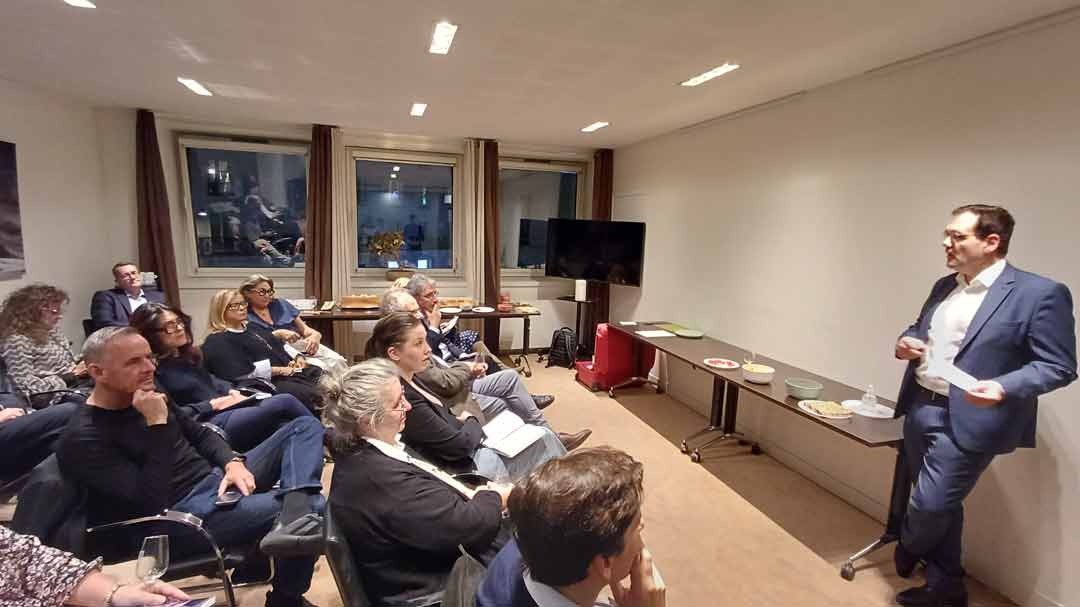
LAC on AI in the workplace with Fabrice Teboul
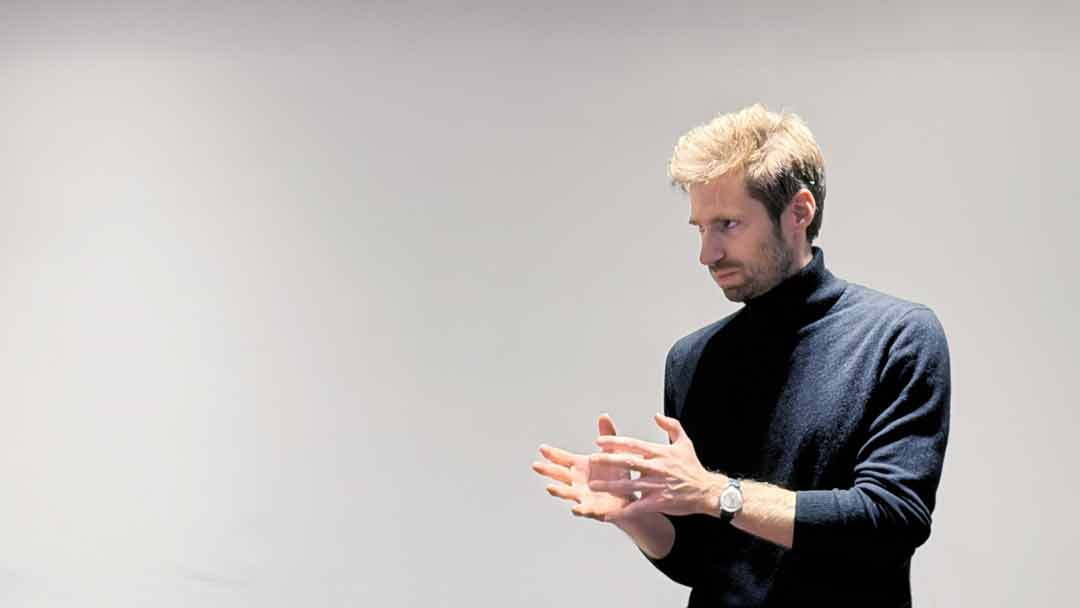
LAC on AI in the workplace with Fabrice Teboul

Clement Bruneau at Lunch at the Circle
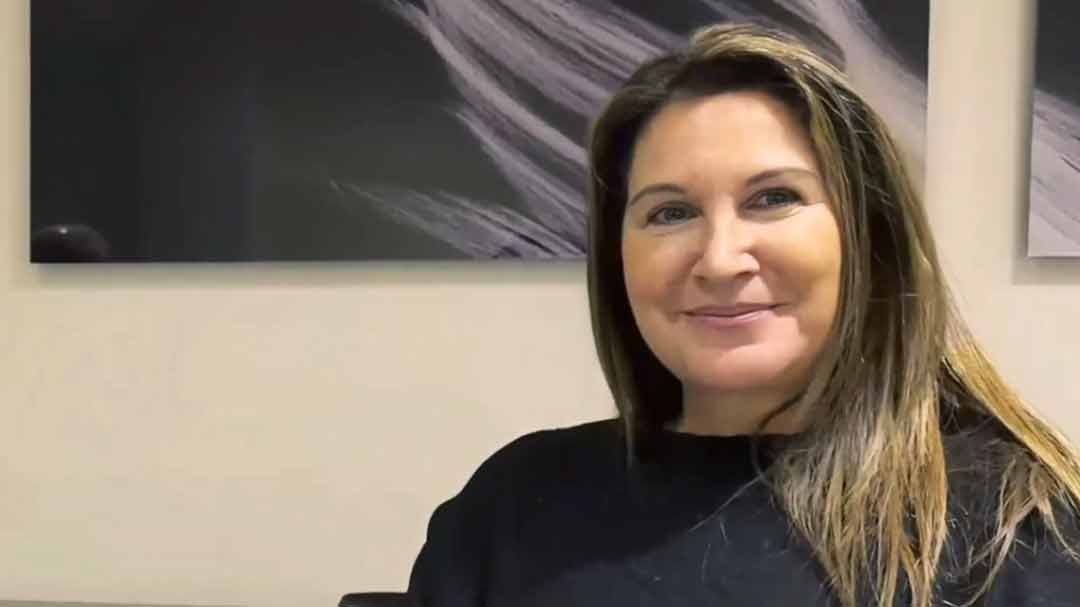
Clement Bruneau at Lunch at the Circle

Sandra Teboul at Lunch at the Circle
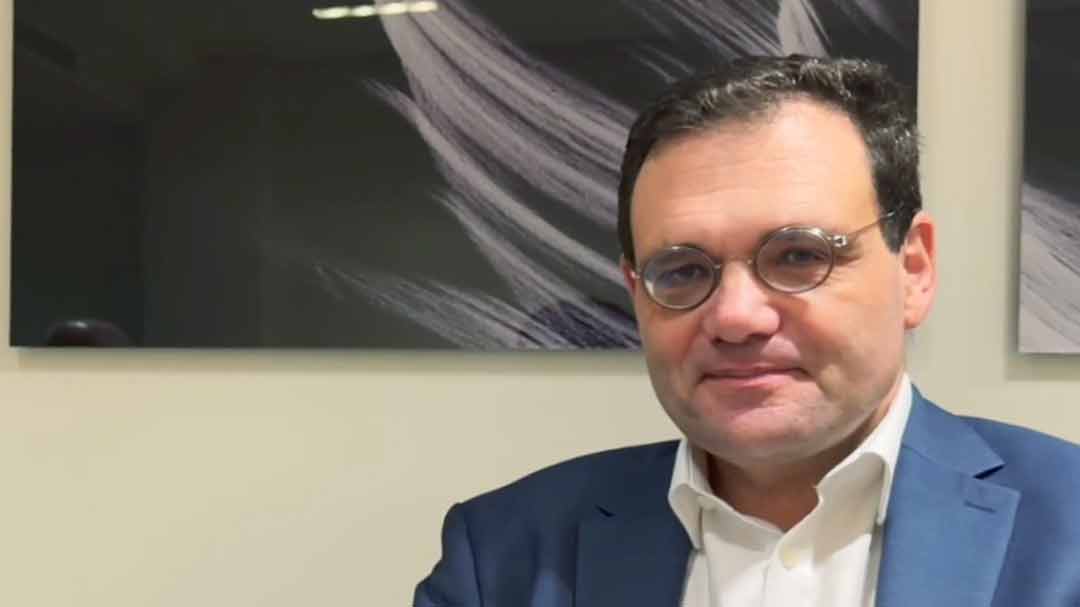
Sandra Teboul at Lunch at the Circle

Fabrice Teboul at Lunch at the Circle
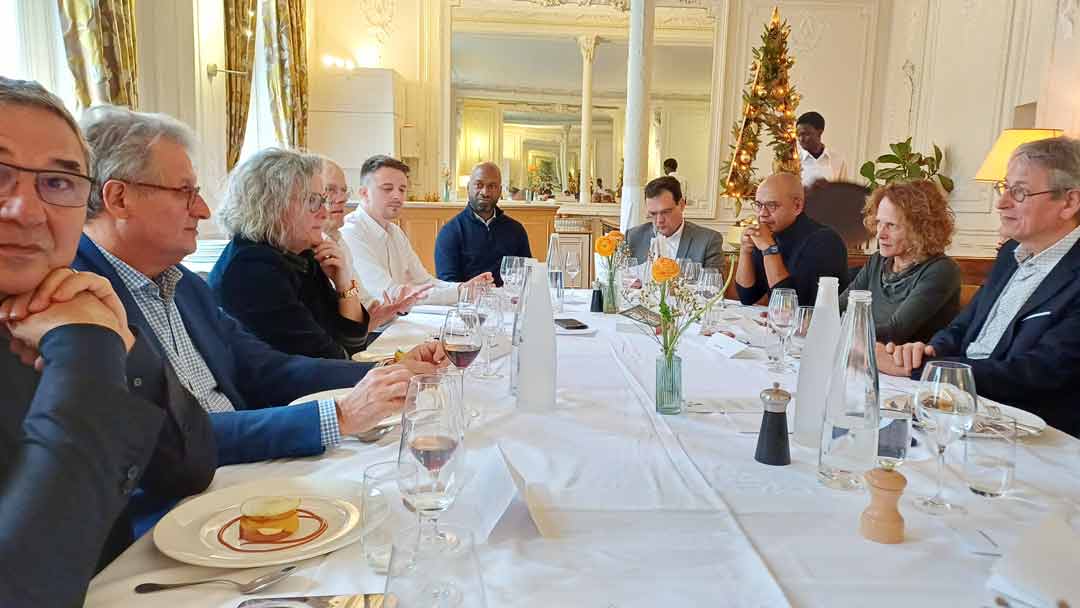

Fabrice Teboul at Lunch at the Circle
 

L’IA peut-elle imiter une personne réelle ? Entretien avec Maxime Girardeau et sa co-autrice Loïe

Nous avons récemment eu comme invité au déjeuner réseautage Lunch at the Circle Maxime Girardeau, pour discuter encore une fois du sujet de l’intelligence artificielle.

L’intelligence artificielle, peut-elle réellement remplacer un humain ?

Certaines questions s’imposent face à l’essor de l’IA : Est-elle une promesse de progrès ou une menace ? Peut-elle imiter, voire remplacer l’humain ? Quels en seront les impacts sur notre société, nos compétences et notre éthique ?

Dans son dernier roman, Je te mens, Maxime Girardeau, auteur et VP Cloud Centre of Excellence chez Capgemini, a exploré ces questions en coécrivant son œuvre avec ChatGPT, transformant une IA en personnage – et auteur ! C’est une expérimentation audacieuse sur le pouvoir de l’IA à simuler l’humain.

  • Des réflexions captivantes : Maxime dévoilera les dessous de ce projet unique, qui questionne les limites entre l’innovation créative et technologique.
  • Les enjeux de demain : Quel rôle pour l’IA dans nos vies et dans l’entreprise ? Comment transformer nos compétences pour répondre aux défis de demain ?
  • Préparez-vous à être surpris : À travers ce roman atypique, nous débattrons de l’impact de l’IA sur nos pratiques, la dépersonnalisation potentielle des organisations, et l’importance d’une éthique de l’IA.

Cette entrevue a été réalisée à l’occasion du déjeuner Lunch At The Circle avec Maxime Girardeau.

A la fin du déjeuner-débat qui a suivi l’interview ci-dessus, Maxime a invité Loïe à se joindre à l’assemblée afin que nous puissions lui poser toutes les questions que nous souhaitions. Voici quelques questions-réponses issues de cette démonstration tout à fait étonnante.

Et aussi, quelques photos de ce déjeuner :

Maxim Girardeau speaking at Lunch at the Circle on anthropomorphic artificial intelligence

Maxim Girardeau speaking at Lunch at the Circle on anthropomorphic artificial intelligence

The circular dessert at the Lunch at the Circle lunch discussion

The circular dessert at the Lunch at the Circle lunch discussion

Maxim Girardeau speaking at Lunch at the Circle on anthropomorphic artificial intelligence

Maxim Girardeau speaking at Lunch at the Circle on anthropomorphic artificial intelligence

Maxim Girardeau speaking at Lunch at the Circle on anthropomorphic artificial intelligence

Maxim Girardeau speaking at Lunch at the Circle on anthropomorphic artificial intelligence

Maxim Girardeau speaking at Lunch at the Circle on anthropomorphic artificial intelligence

Maxim Girardeau speaking at Lunch at the Circle on anthropomorphic artificial intelligence

"Je te mens" by Maxime Girardeau, book cover

“Je te mens” by Maxime Girardeau, book cover

Interview: Thor Whalen, Integrating AI in our daily business – a threat or a panacea

On October 14 we had Thor Whalen as a guest and speaker at Lunch at the Circle. Here’s the interview with Thor:

Here’s the brief from the invitation to the event:

Integrating AI in our daily business – a threat or a panacea, with Thor Whalen

Thor Whalen co-founded and was the CTO of the originally French AI innovation company OtoSense, which was based in Silicon Valley and was then acquired by Analog Devices (https://otosense.analog.com).

Thor will share his experience with OtoSense and his journey of implementing AI into business operations.

Thor will be able to share his hands-on view and vision for the future of the LLM invasion and give us some pros and cons concerning its use in our daily businesses.

We’ll discuss how difficult it was and still is to integrate AI effectively into business operations and propose some of the main reasons why this is the case.

Next, we’ll explore how generative AI has expanded possibilities, making language-based tasks—content generation, data extraction, and research—more accessible than ever. This opens up new opportunities for workflow automation, insights from unstructured data, and collaboration tools, but it also introduces risks like privacy concerns, bias, and overreliance on AI.

Thor will provide practical advice on what to do—and what to avoid—when integrating these technologies into your business, along with strategic considerations like balancing automation with human oversight and investing in AI literacy. He will also share some predictions on where this space is heading and how you can position yourself to take advantage of these evolving tools.

Key areas of focus may include (depending on the exchanges):

  • Opportunities: Data-driven insights, task automation, augmenting human expertise, new product offerings, and multilingual support.
  • Risks: Privacy, bias, overconfidence, and the challenge of maintaining collaboration quality.

Finally, we’ll discuss strategic approaches to AI integration, including exploring open-source alternatives and ensuring human oversight in AI workflows.

Can AI replace/mimic a real person? A true and real example – with Maxime Girardeau

We continue our Lunch at the Circle theme of artificial intelligence with a very different angle on the subject on December 2:

Is AI a threat or a promise?

Can AI replace/mimic a real person? A true and real example – with Maxime Girardeau.

Next L@C on December 2.

Some people worry that artificial intelligence will replace people and make us superfluous. Mass unemployment, if not the end of the world. Other people think that AI has the potential to find a cure for cancer and perhaps avoid a new nuclear war.

What will it be? Can artificial intelligence replace people? Can it mimic personalities?

As it develops, what will the consequences be for people, society and business?

Maxime Girardeau is a French author and consultant who explores these issues in an incredibly real way in his latest novel “Je te mens”. One of the personalities in the book is generated by ChatGPT, not a fictional ChatGPT but a very real one. In other words, the book is written by two “authors”, Maxime Girardeau and ChatGPT. One of the book’s main characters, “Loïe”, is, literally, the output from ChatGPT.

Who is really the author of the book?

Is the story credible?

Maxime will share with us how this happened, how it worked, and his views on what implications this may have for real life and for business.

The presentation will be in French. A French language invitation will follow soon.

Maxime Girardeau:

This L@C event will be an exploration of how generative AI (genAI) became a character in his recent book and how important education and training will be for the future AI transformation.

Maxime will give a short presentation of his book, “Je te mens” to explain the exploratory nature of this project, which is on the borderline between creative and technological exploration.

He will share his conviction about how important the anthropomorphic aspect of genAI is and how it will profoundly shake up organisations, change our ways of working and require new skill sets.

Maxime will also share what he believes to be the core of AI transformation for companies over the next 10 to 15 years. Just as digital technology has profoundly transformed companies, AI will force them to design, develop and protect their “global corpus”. This means, not just their data, but also their processes, know-how, organisation etc.

To conclude, we will discuss the importance of education, training and the ethics underlying this whole transformation. However powerful it may be, genAI and tomorrow’s multimodal AI will also be a potentially dangerous depersonalisation tool for human organisations.

Are you worried about the potentially devastating consequences of AI? Or do you see it as a great tool for making societal, scientific and economic progress? In either case, this is an event for you.

Facts:

  • Date: Monday December 2
  • Time: 12.00-14.00 (welcome from 12:00, seated by 12:30, close at 14.00)
  • Place: contact us for information
  • Speaker: Maxime Girardeau
  • Cost: 63 €: aperitif, main course, dessert, wines, water, coffee

Book now on this link

  • contact us for information
"Je te mens" by Maxime Girardeau, book cover

“Je te mens” by Maxime Girardeau, book cover

Integrating AI in our daily business – a threat or a panacea

Lunch at the Circle event on October 14, 2024

Integrating AI in our daily business – a threat or a panacea, with Thor Whalen

Thor Whalen co-founded and was the CTO of the originally French AI innovation company OtoSense, which was based in Silicon Valley and was then acquired by Analog Devices (https://otosense.analog.com).

Thor will share his experience with OtoSense and his journey of implementing AI into business operations.

Thor will be able to share his hands-on view and vision for the future of the LLM invasion and give us some pros and cons concerning its use in our daily businesses.

We’ll discuss how difficult it was and still is to integrate AI effectively into business operations and propose some of the main reasons why this is the case.

Next, we’ll explore how generative AI has expanded possibilities, making language-based tasks—content generation, data extraction, and research—more accessible than ever. This opens up new opportunities for workflow automation, insights from unstructured data, and collaboration tools, but it also introduces risks like privacy concerns, bias, and overreliance on AI.

Thor will provide practical advice on what to do—and what to avoid—when integrating these technologies into your business, along with strategic considerations like balancing automation with human oversight and investing in AI literacy. He will also share some predictions on where this space is heading and how you can position yourself to take advantage of these evolving tools.

Key areas of focus may include (depending on the exchanges):

  • Opportunities: Data-driven insights, task automation, augmenting human expertise, new product offerings, and multilingual support.
  • Risks: Privacy, bias, overconfidence, and the challenge of maintaining collaboration quality.

Finally, we’ll discuss strategic approaches to AI integration, including exploring open-source alternatives and ensuring human oversight in AI workflows.

Thor Whalen bio

Thor Whalen is an American-born data scientist who spent most of his formative years studying in France (and Italy and Germany). He earned a PhD in mathematics (specialising in graph theory) and a Masters in computer science from Emory University, USA. His career spans diverse sectors, focusing primarily on data science consulting in business process analysis and automation, online marketing, behavioural modelling, natural language processing, and sound recognition.

Thor co-founded OtoSense, a Silicon Valley-based AI company specialising in sound and vibration analytics for predictive maintenance, security, and healthcare. As the CTO, he led the development of innovative AI-driven software solutions until Analog Devices acquired the company. Following the acquisition, he transitioned to Director of AI and Machine Learning at Analog Devices, where he refined his software architecture and design expertise.

In 2022, Thor moved back to France, where he continues contributing to the open-source community, developing tools to improve development velocity and enhance human-machine communication. He is also an active consultant, helping businesses craft AI strategies and software solutions while conducting workshops on cutting-edge technologies. His career reflects a blend of deep technical knowledge and a commitment to making technology more accessible and effective for various industries.

Contact us if you would like to participate in this L@C lunch event in Paris on October 14, 2024.

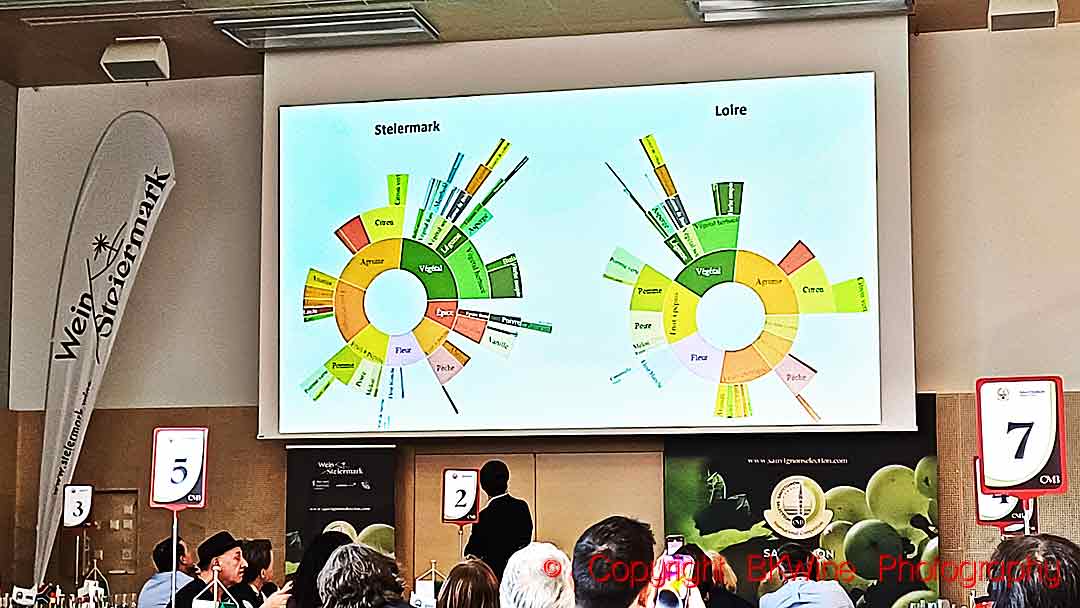
AI-generated charts based on human-written tasting notes comparing wine characteristics from the Loire and Steiermark

AI-generated charts based on human-written tasting notes comparing wine characteristics from the Loire and Steiermark, as used by the CMB Concours Mondial de Bruxelles